




Impermanence
India has always held a special place in my heart. My first visit came during one of the most vulnerable periods of my life — my husband had just been diagnosed with a terminal illness. I arrived emotionally raw, overwhelmed by fear. But the trip became an unexpected gift. I learned quickly that death is not feared here the way it is in the West — there is acceptance, even grace, in how it is held. Death is seen not as an ending but as a rebirth.
I opened my heart and mind and found comfort in the Hindu embrace of impermanence, detachment from suffering, and surrender to something larger than the self. It did not resolve my grief. It gave it a different shape.
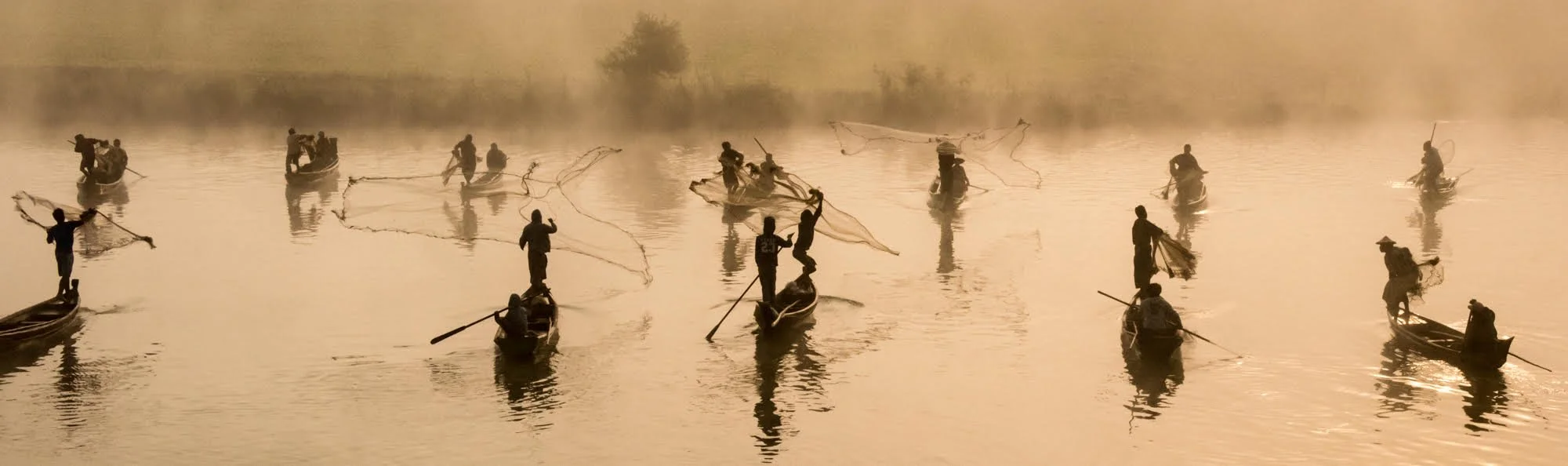
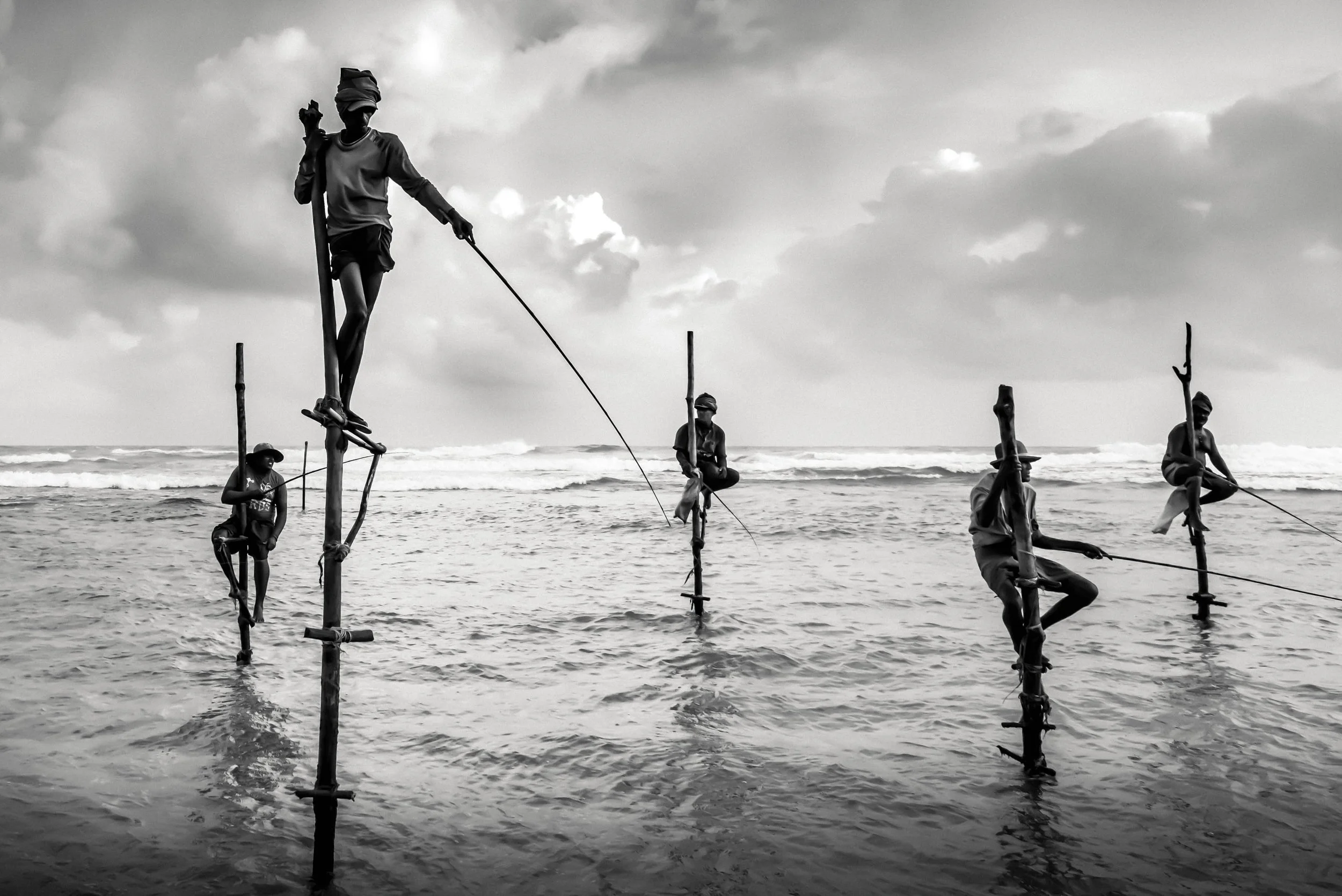
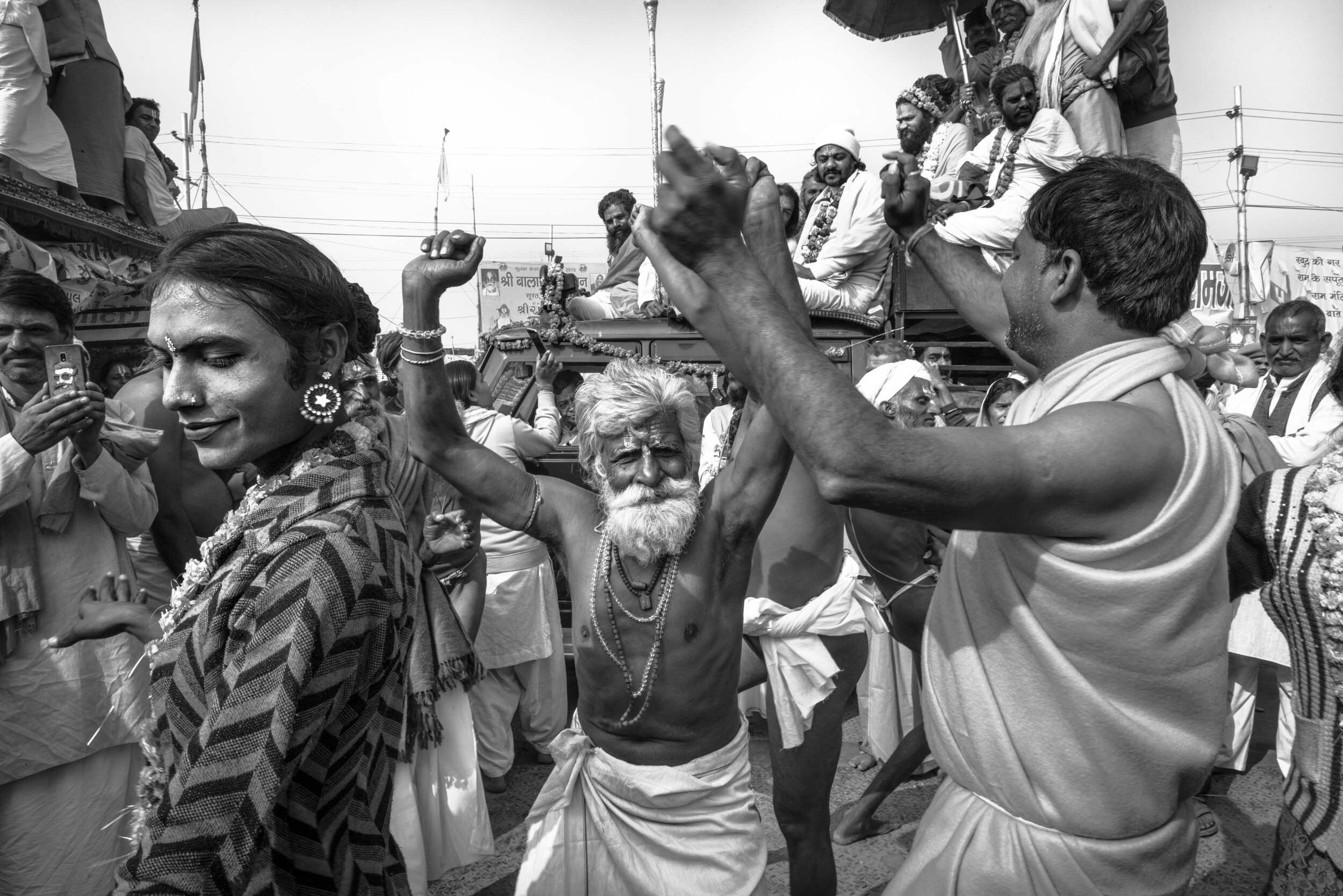
I love the religious celebrations — the orderly chaos, the warmth, the radical openness to strangers. The massive crowds and the poverty can be overwhelming, even frightening. But alongside that fright comes something unexpected: calm, acceptance, the sense that life and death are simply two faces of the same thing. India inspires that recognition. And I have found echoes of it elsewhere across Asia — places where impermanence is not a philosophy but a way of living. That is the spirit I follow.
As a visual artist, I am drawn to its theatre — the light, the color, the cast of characters. I gravitate toward connection, toward the stories written on people’s faces, toward the moments that cross every cultural divide.
