
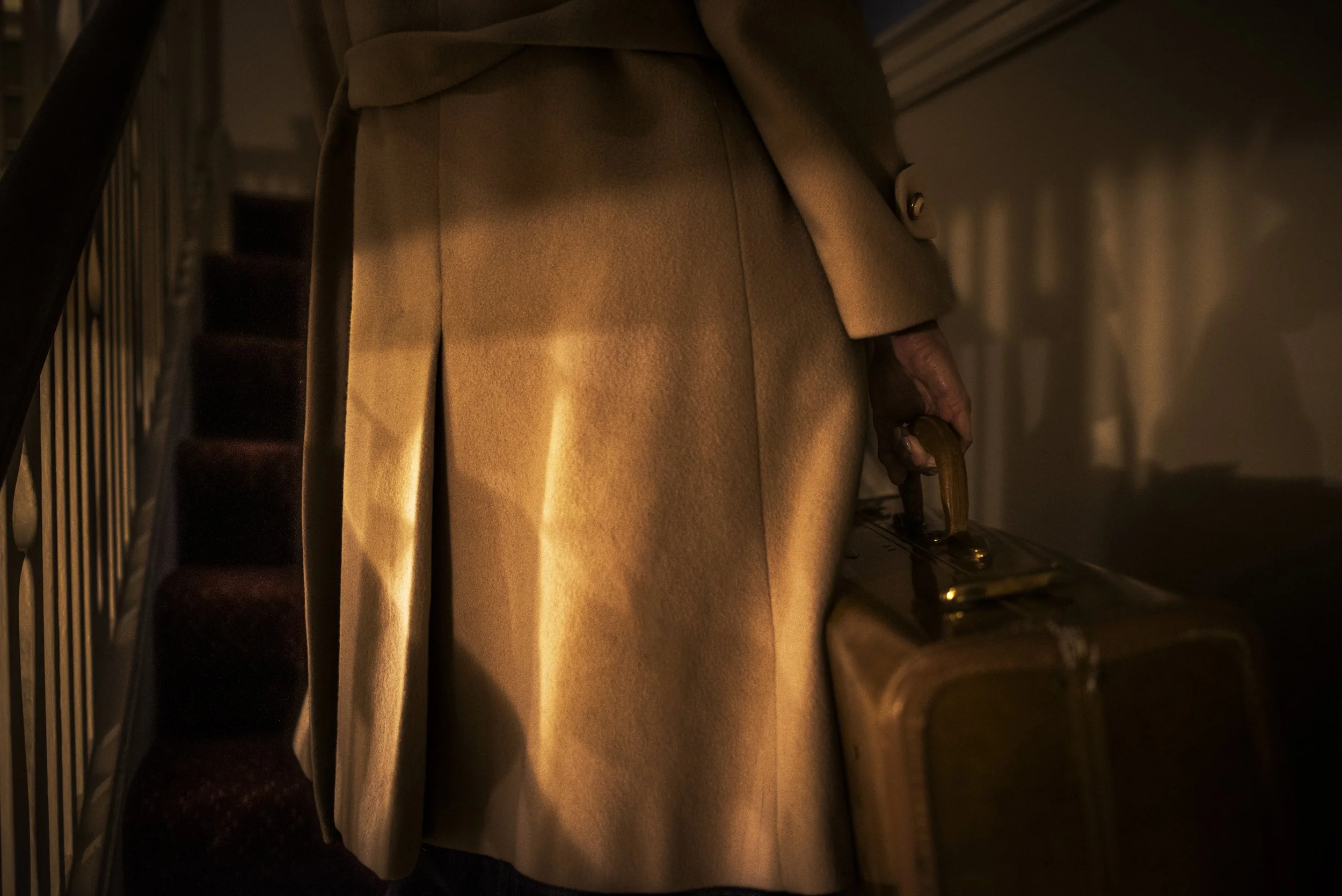
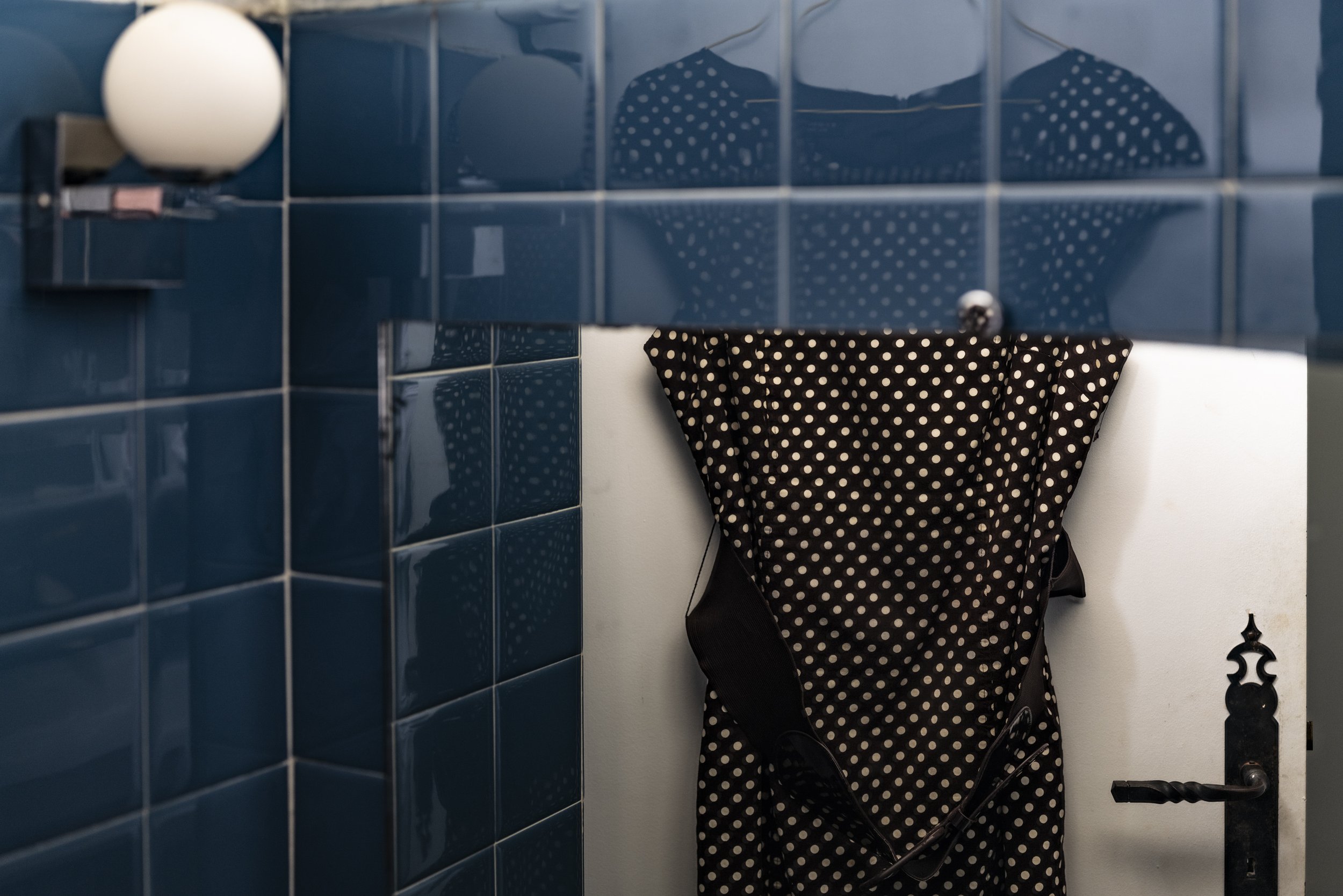
Alone in the Room
I was often the only woman in the room. At university, in boardrooms, in sales meetings where I counted — one, two, three, four of us among hundreds of men. I kept walking in. There were labels and expectations that didn’t feel right to me — for the woman working in a man’s field, for the working mother, for the young widow, for the aging woman. Each time I refused and looked for something truer.
The women before me did the same without language for it. A mother who put herself through college. A grandmother who kept working after World War II because she understood that independence was something you hold onto. An Aunt who divorced on her terms. They refused to accept the norms of the time — and they gave me permission before I knew I needed it.
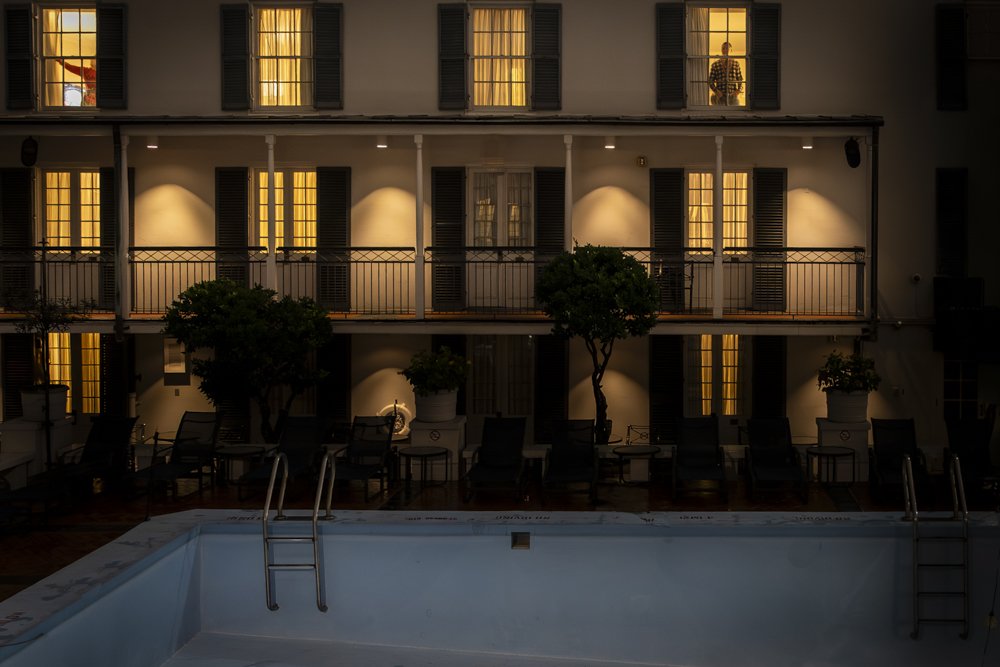
As a child my mother would drive my sister and me to the store at night, we’d find ourselves looking into lit windows, wondering how other people lived. That watching never left me. When role models were absent, I looked for other options — through literature, cinema, and the lives I witnessed elsewhere.
Mine was a quiet refusal. I know that kitchen where women’s roles were so defined. I know what it asked of me. Instead, I kept my name, kept my femininity, and did the work. Edith Wharton wrote that a woman’s clothes are the terms of her reception. I believed that so was everything else — her title, her grief, her desire, her aging. My femininity was currency in some rooms and a liability in others. I learned which was which. It was always mine.
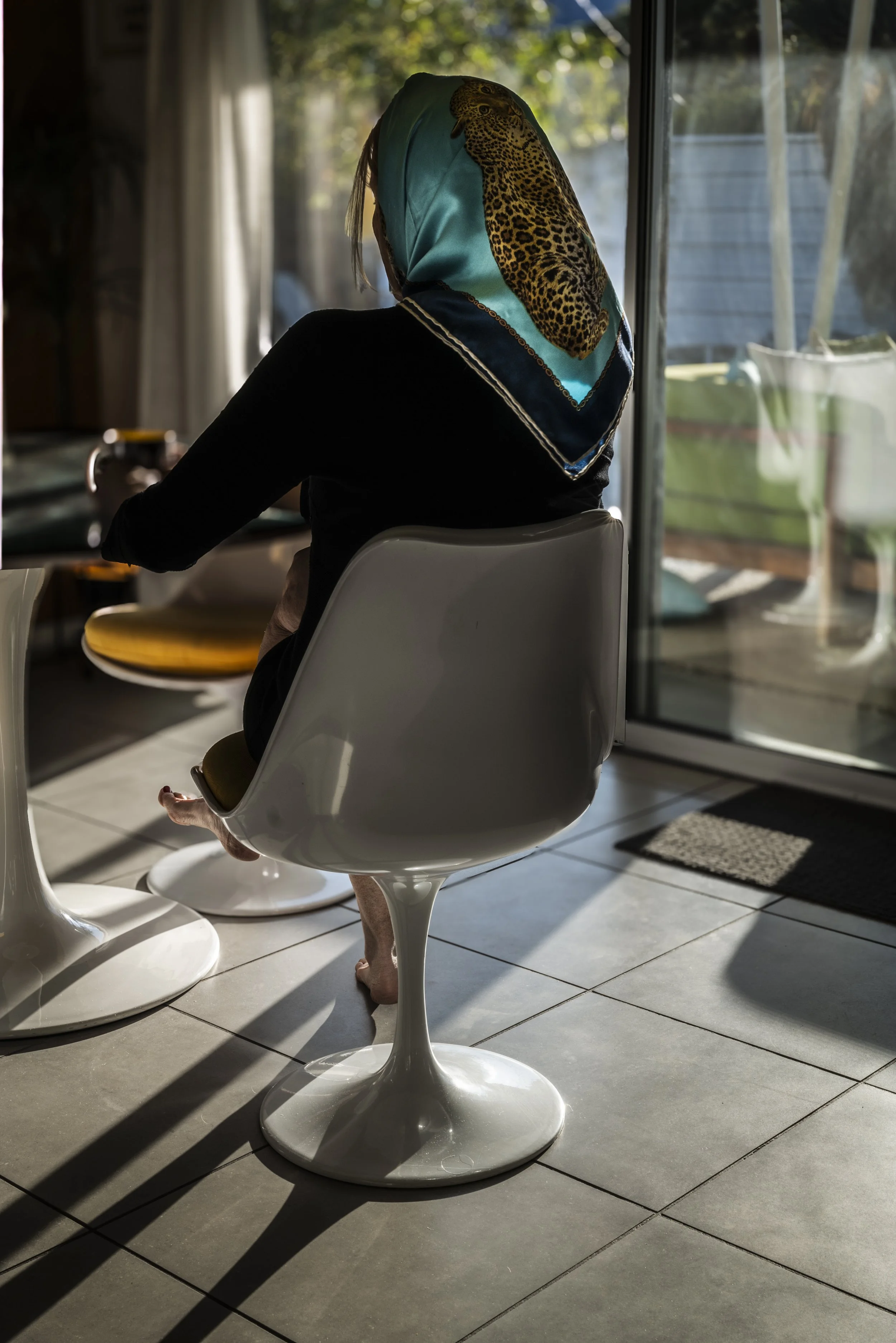
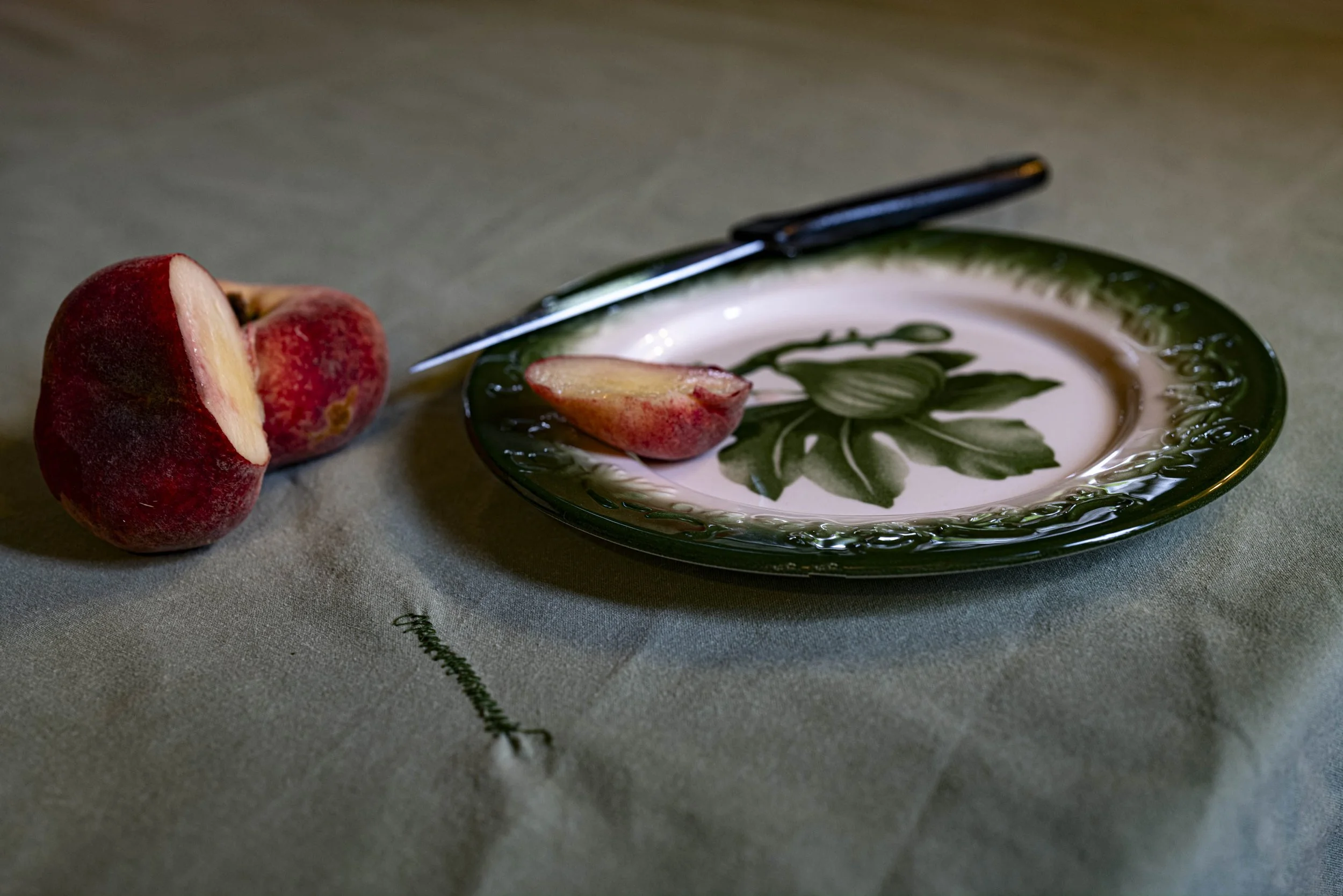
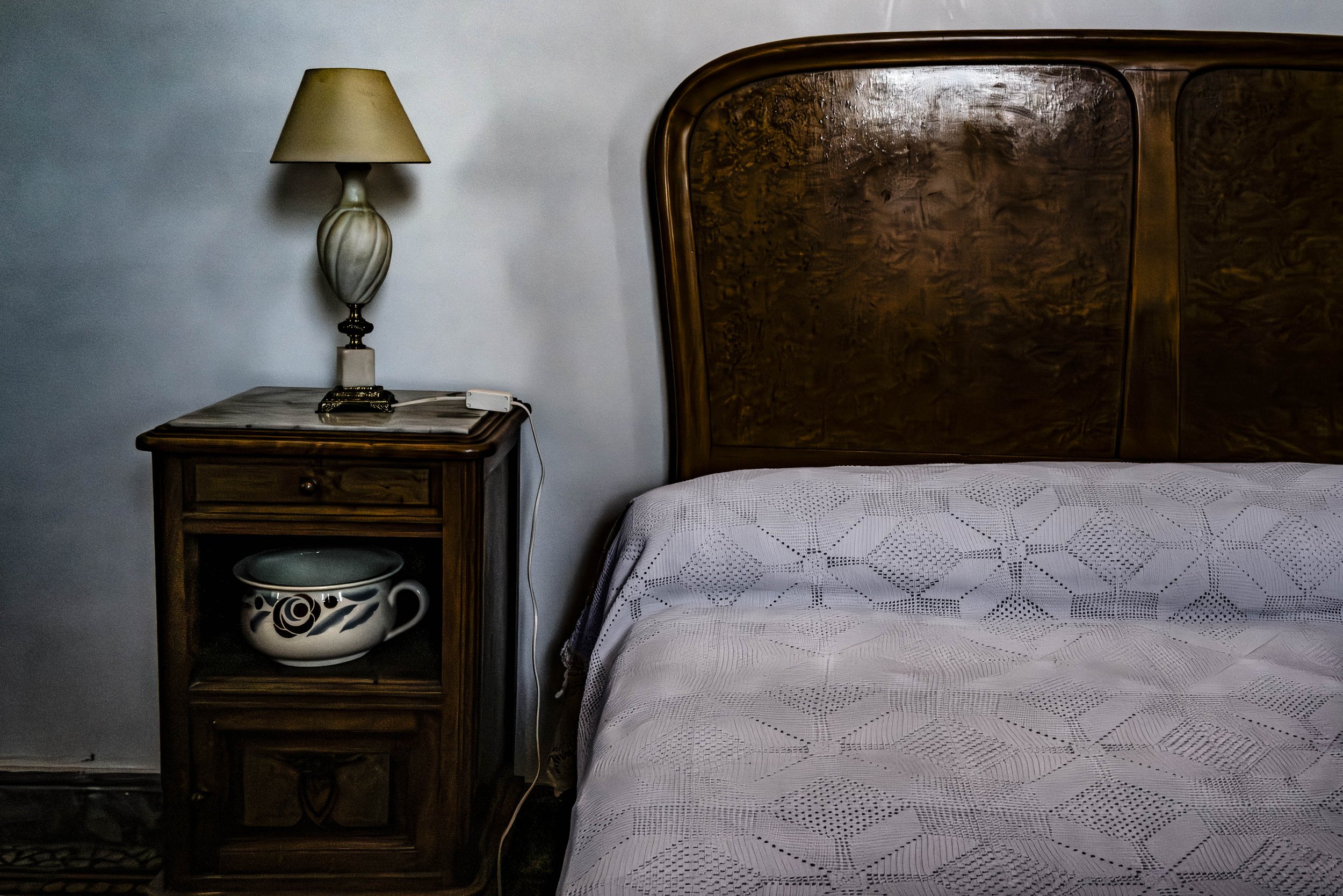
Alone in the Room draws from decades of that search — portraits, found objects, inhabited spaces, and dreamscapes. The world was changing quickly. Doors were opening. I was determined to walk through them, push boundaries, and shape the life I wanted. To create new possibilities and inspire new conversations. It will continue to change quickly.